Demo First Joint Lancang Mekong Survey to the Source: Building Trust through Shared Waters

In a historic Joint Survey coordinated by the Lancang-Mekong Cooperation (LMC) Water Center and the Mekong River Commission (MRC) Secretariat, experts from six riparian countries – Cambodia, Lao PDR, Thailand, Myanmar, and China – embarked on their inaugural visit to the source of the Lancang-Mekong River. This event, from 14 to 20 July 2024, marked a significant step in entire-basin water management and cooperation.
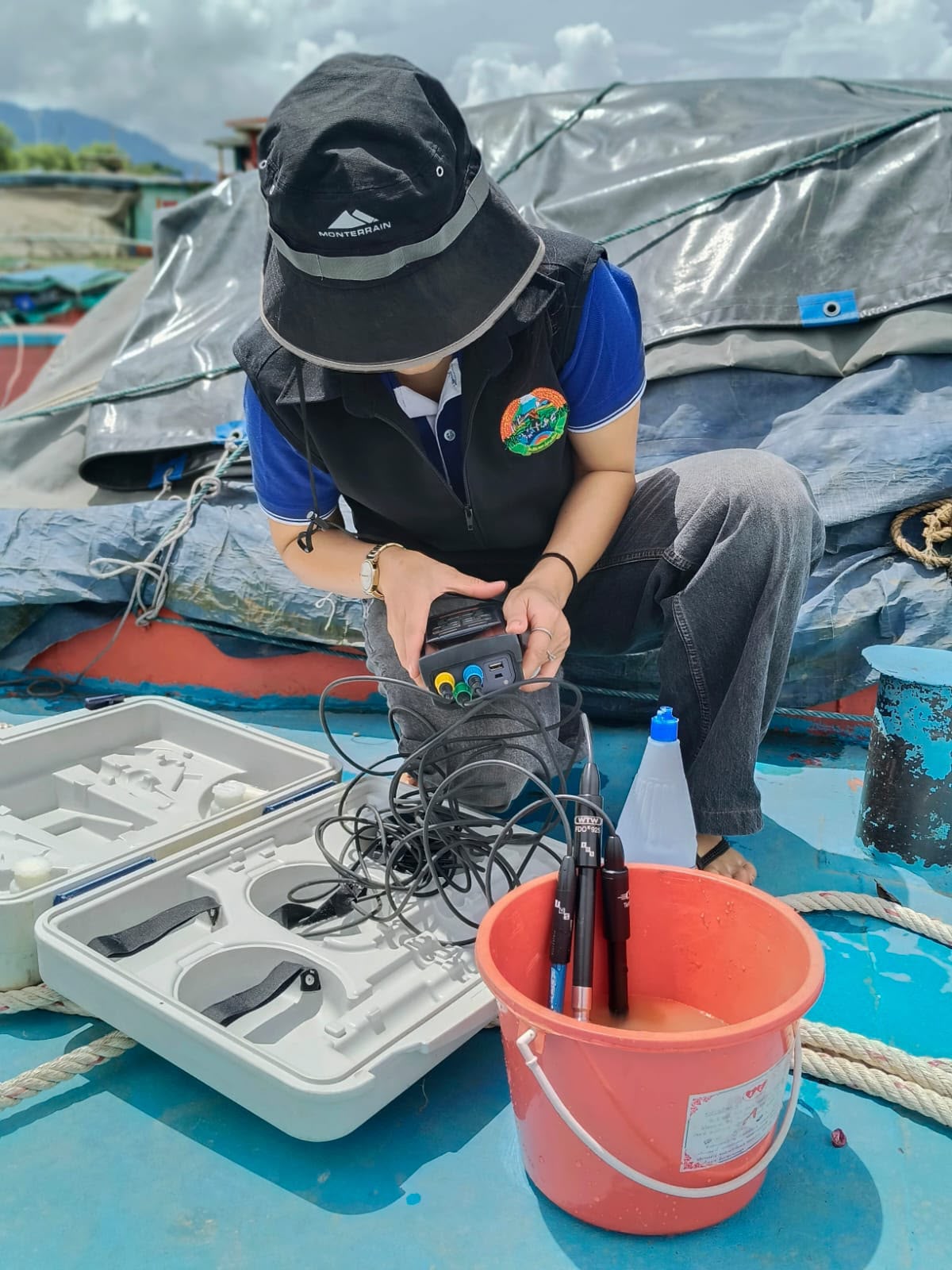
The comprehensive survey took place in the headwaters of the basin, located in Qinghai Province, China. This region, known as Sanjiangyuan, is the birthplace of three major rivers: the Yangtze, the Yellow, and the Lancang-Mekong. The experts diligently observed the water resources and ecological environment in the headwater regions of the river shared by six countries, gathering critical information and lessons learned that would inform future water management strategies.
Over the seven-day expedition, the team of experts delved into various significant sites in Qinghai Province. Their journey included visits to Tang-Bo Ancient Road, Thousand-year-old Salt Field, the Namsei Valley, the first bend of the Lancang River, Karst landform (sinkhole), Lancang River Ancient Human Site, and the Longbaotan Wetlands.


One crucial aspect of this Joint Survey is the generation of information and knowledge about the river conditions. By sharing data and collaborating on assessments, riparian Countries and their peoples have been able to better understand the complex dynamics of the Mekong River ecosystem. This contributes to better monitored and forecasted data on flood and drought that serve as an early warning system for communities vulnerable to these natural disasters and mitigating the impact of such events, saving lives, and minimizing damage to property and infrastructure.
[sp_easyaccordion id=”19654″]